






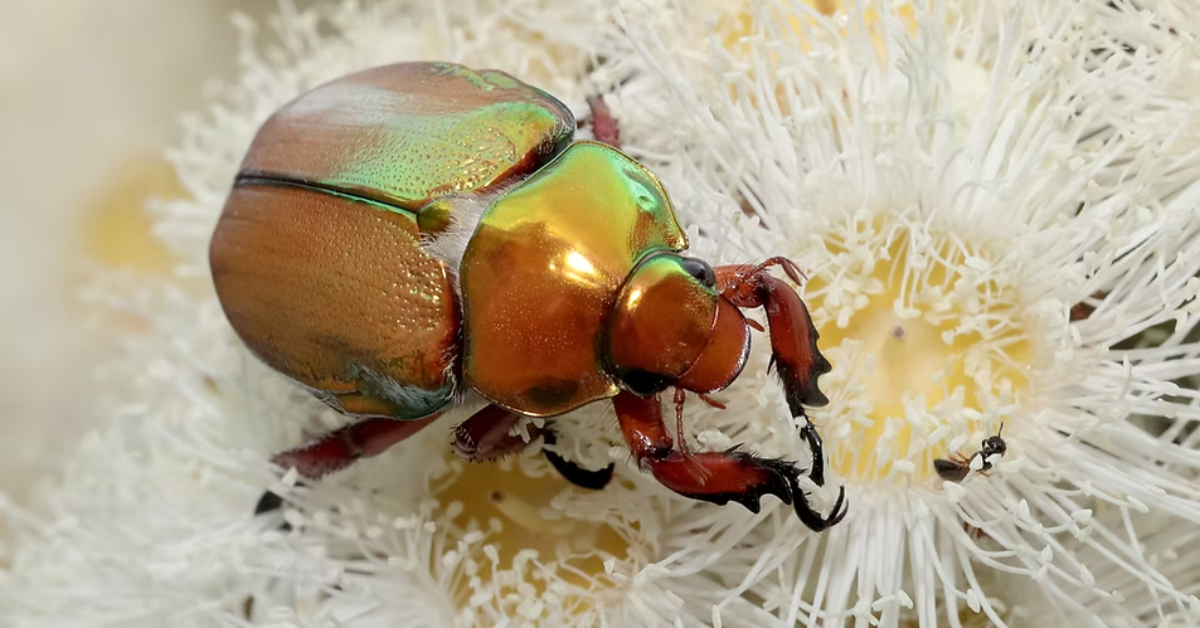
North Sydney residents and cafe owners are proving that massive public art can leave absolutely no environmental footprint by transforming hundreds of everyday milk jugs into giant, fully recyclable sculptures designed to save a vanishing local insect.
The Cafe Waste Solution
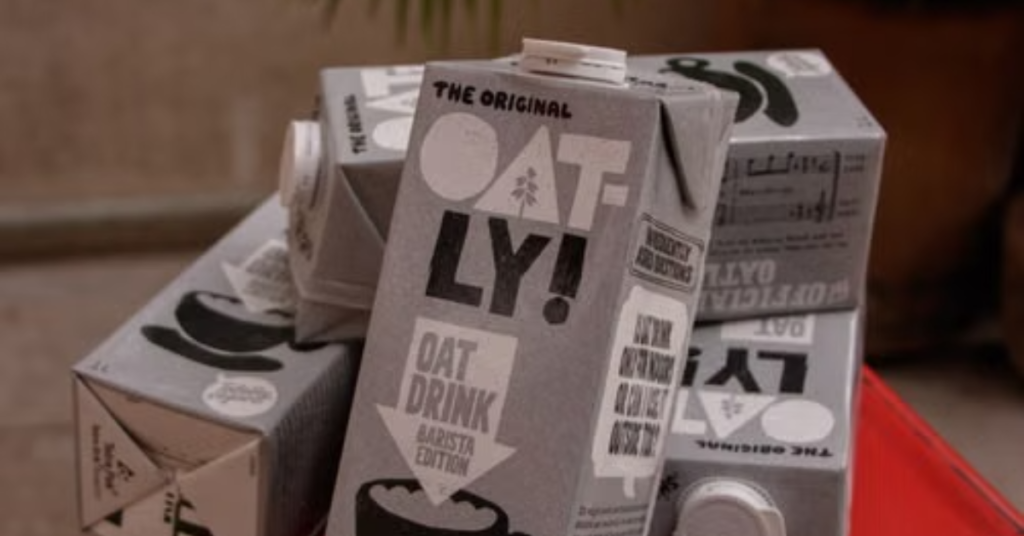
How many flat whites does it take to build an insect the size of a car? Coffee shops tear through milk crates at an astonishing rate, leaving behind mountains of rigid HDPE 2 plastic every single week. Instead of tossing those sturdy bottles into standard recycling bins, the community is now hoarding them for the Big Beetle Summer project.
People are stripping off labels, washing out the milky residue, and separating the lids to ensure the material is perfectly clean. They are hauling this raw plastic to collection points at the Council Chambers on Miller Street and the nearby community centre. It is a massive, grassroots effort to gather a target of 100 kilograms of usable material.
Engineering an Illusion
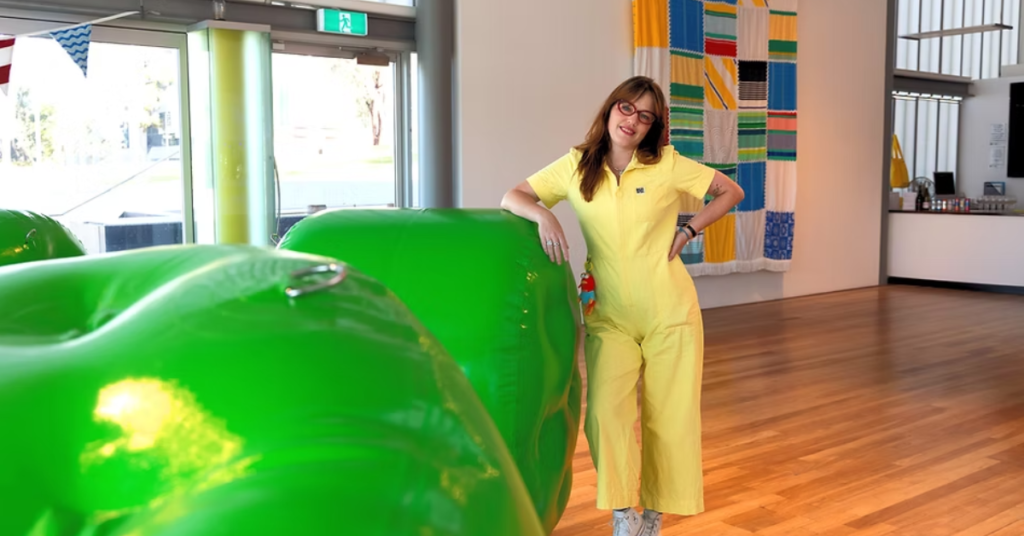
Photo Credit: Big Beetle Summer
By December 2026, those discarded household bottles will look completely different. Sydney artist Amy Claire Mills and the manufacturing experts at Defy Design are melting the rubbish down to construct ten oversized Christmas beetles. These iridescent, heavy-duty creations will soon hide among the trees and walking paths of Ted Mack Civic Park.
The exhibition will stretch well into early 2027, officially kicking off with a community launch on December 5. Why build such enormous, shimmering bugs in the middle of the suburbs? Urban development is rapidly driving the real insects away, and these sculptures act as clever decoys to get people looking closely at the local environment.
Disappearing Acts and Data Collection
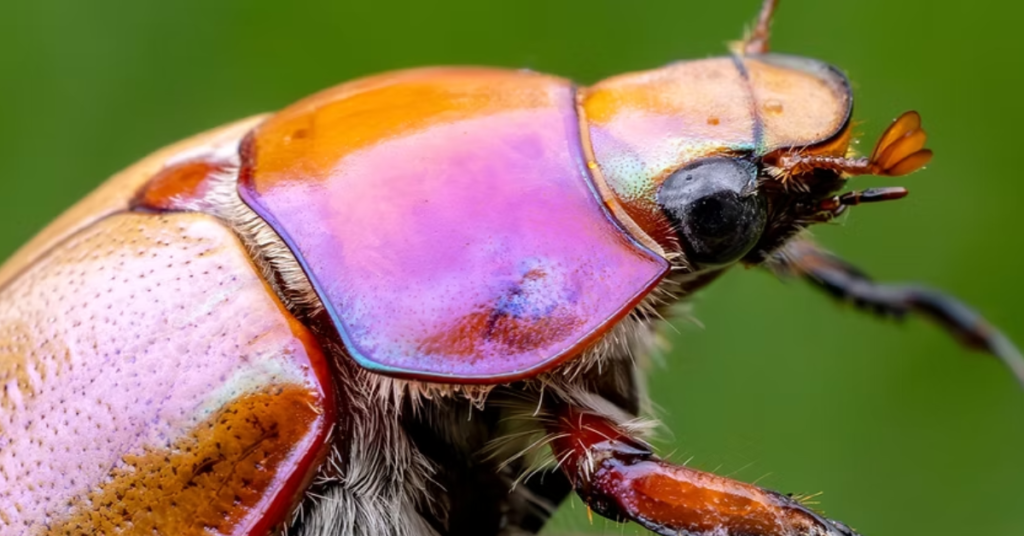
The installation serves a critical scientific purpose alongside its aesthetic appeal. Project leaders teamed up with scientist Tanya Latty and Invertebrates Australia to turn everyday park visitors into wildlife trackers. When families spot a live, clumsy Christmas beetle buzzing around the artworks, they can log the sighting on the iNaturalist app to help researchers map surviving populations and protect vulnerable habitats.
Mills explained that the initiative perfectly blends creative expression with hardcore citizen science. Free educational workshops will also run alongside the trail all summer, featuring experts like Wiradjuri artist Bria McCarthy. When the season ends, the exhibit pulls off one final trick. Workers will dismantle the giant insects, melt the plastic down once more, and return it to the manufacturing stream, leaving behind nothing but crucial scientific data.
Published Date 26-August-2026